

Author: admin

The Major Differences Between Commercial and Residential HVAC Systems

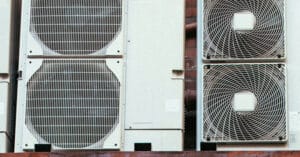
While residential and commercial HVAC systems have similar methods of heating and cooling, there are significant differences between the two types of systems. Therefore, when you need to get your HVAC system repaired, you’ll want to choose a technician who specializes in the type of service you need. Location Residential HVAC systems are located on the ground near the home. Commercial systems, on the other hand, generally reside on the roof of the commercial building. Commercial HVAC systems are usually quite larger than residential ones, and the rooftop provides ample space for each part of the unit. The rooftop location also allows technicians to work on these systems without disrupting those inside the building, and it keeps the system safe from interference and vandalism. Packaged vs. Splits Residential HVAC systems are generally in splits. The unit inside the home houses the blower, evaporator and condensate drainage, while the unit outside the home houses the compressor, condenser and condenser fan. Commercial systems, by comparison, are in one complete package inside of a single cabinet. Only the ducts and zone dampers are inside the building, while the rest of the system remains outside. Modular vs. Standalone Units installed in a residential space are standalone

Read More »

Can I Just Replace the Outdoor Unit on an Older Air Conditioning System to Save Money?

Air conditioning systems are very expensive to replace, and it’s tempting to try to save costs wherever possible. When one unit of your air conditioning system fails, replacing one unit while keeping the older, still-functioning unit sounds like a practical cost-saving measure. However, mismatched air conditioning components can have a negative effect on the efficiency, reliability and life-span of your system. The indoor and outdoor units of a residential air conditioning system function together despite the fact that they are split into two units. As a result, the system suffers stress when the two units have dissimilar components that were designed to work at different levels of efficiency. You Can’t Teach Old Coils New Tricks When mismatched air conditioning components are forced to work together, it can put stress on the older unit and seriously compromise the function of the new unit. Newer condenser coils are more efficient, have a larger, grooved surface area, and employ other enhanced features that improve their performance. Older coils do not have these features, and are often incompatible with new condenser coils. New air conditioning units use thermal expansion valves with a hard shut-off to control their use of refrigerant. However, older units were not

Read More »

What Size Heat Pump Do I Need?

There are several important steps in the process of selecting the right heat pump for your home. You need to determine the best type of heat pump for your home and climate (air source, water source or ground source), decide on your desired efficiency rating, and select the installation method and features of your new heat pump. Finally, you need to size your heat pump properly to make sure that you are heating your home effectively and efficiently. Correctly sizing your heat pump is very important, and fortunately there is a standard sizing method used nationwide. This method, created by the Air Conditioning Contractors of America, is known as the Manual J method for sizing heat pumps. The Manual J method considers eight variables to help you size your heat pump with confidence. The Right Size Saves Money Getting the right size heat pump really does make a significant difference to the efficacy, reliability and efficiency of your HVAC system. Heat pumps that are too small or too large for a home can have a number of negative consequences, including higher energy costs, drastic temperature differences inside, poor humidity control and frequent on-and-off cycling that strains the system. Consulting an experienced and

Read More »

The Benefits of Controlling Your Indoor Air Quality

Are you suffering from headaches, congestion or fatigue? These symptoms could be caused by poor indoor air quality. Start monitoring your IAQ today. According to the Environmental Protection Agency, the average American spends 93% of their time indoors. If you fall into this category, you are breathing indoor air for nearly every minute of your life, which means that the quality of that air is extremely important to your health. If you’ve been experiencing nagging health symptoms, such as persistent headaches or congestion, indoor air quality (IAQ) could very well be the culprit. Health Effects of Poor IAQ Breathing in an environment with poor IAQ can have numerous short-term and long-term effects on your health, including: Exposure to certain pollutants can also cause long-term health effects, including respiratory disease, cancer and heart complications. The importance of monitoring IAQ, both in the home and in the workplace, cannot be emphasized enough. What Controls IAQ? The IAQ in your home or office is largely controlled by the performance of your HVAC system. There are many conditions that can negatively affect your system’s performance, such as microbial growth and moisture. Microbial growth can be increased by the presence of heat and humidity, which can cause

Read More »

Business Owner’s Guide to Commercial HVAC Installation Cost

If your business is in the market for a new commercial HVAC system, you may have a hard time interpreting the installation quotes you receive from various contractors. There’s also a pretty good chance that you may not fully understand the available equipment options or installation requirements. Lack of knowledge in these areas can lead to unnecessary expenses and confusion. Fortunately, you can improve your understanding of commercial HVAC installation costs by following a few simple guidelines. Get a Thorough Cost Breakdown Contractors who specialize in commercial HVAC systems may use a number of different methods to quote your installation expenses. This means that services grouped together by one contractor may be listed as separate expenses by another contractor. You can eliminate any potential confusion by asking each firm you’re considering for the job to submit a complete cost breakdown that covers all aspects of the proposed installation from beginning to end. Familiarize Yourself With System Types and Manufacturers In addition to standard heating and cooling technology, the commercial HVAC market includes modern technologies such as chilled beam systems, VAV (variable air volume) systems and VRF (variable refrigerant flow) systems. In terms of cost versus long-term benefit, each of these

Read More »

Pitfalls to Avoid When Buying a New AC or Furnace

The purchase of a new air conditioner or furnace is one of the larger expenses you can expect during your home’s lifetime. If the system you buy does its job properly, you’ll receive the benefits of reliable household heating and cooling. On the other hand, if your new heating or cooling system doesn’t work reliably and efficiently, you may end up paying the price for decades to come. Here are some of the key pitfalls to avoid when purchasing a new residential furnace or AC. Buying a System That’s Too Big or Small Each residential air conditioner and furnace on the market is designed to deliver cooling or heating to a home of a certain size and layout. Unfortunately, many consumers mistakenly purchase a system that’s too large or too small for their home. Potential consequences of this mistake include early furnace or AC failure, unnecessarily steep monthly utility costs and a perpetually uncomfortable building interior. Failing to Check Your HVAC Contractor’s Background No matter where you live in the U.S., you probably have access to a number of skilled and reputable heating and cooling contractors. Unfortunately, you also likely have access to disreputable contractors who do such things as

Read More »

How ductless mini-split heat pumps work

Ductless mini-split heat pumps are one of the latest innovations of the modern revolution in home heating and cooling technology. Instead of replacing a malfunctioning heating system with a centralized unit that simultaneously services your whole house, you can independently deliver fully controllable heating to as many (or as few) rooms as you wish. Here’s a brief rundown on the way that ductless mini-split heat pumps get the job done. What Does a Heat Pump Do? First, let’s look at how a heat pump operates. A traditional furnace in a centralized system generates heat internally by doing one of two things: burning a fuel source (e.g., natural gas or propane) or activating an electric component called a heating element. A heat pump does not produce its own heat. Instead, it pulls heat from one of three sources (outdoor air, the ground or nearby water) and passes that heat on to the interior of your home. During warmer parts of the year, a heat pump can function as an air conditioner by reversing itself and pulling heated air out of your household’s interior. What Is a Ductless System? A traditional heating and cooling system with a central heat pump relies on

Read More »

An Overview of Carrier® Cor Thermostats

Technological advances have led to a multitude of options for controlling temperatures in your home. Among the most popular innovations is the Wi-Fi-enabled thermostat, which gives you the ability to wirelessly control household temperatures with an app installed on your smartphone, tablet, laptop computer or desktop computer. The Carrier® Cor thermostat is a relatively new Wi-Fi thermostat with a well-rounded feature set. Let’s look at some of the highlights of this device. What Do Wi-Fi-Enabled Thermostats Do? A Wi-Fi-enabled thermostat has something called an IP (Internet protocol) connection, which allows it to receive commands from wireless signals that pass through your household’s Wi-Fi modem. With this type of thermostat installed in your home, you can enter temperature control commands from any location within range of your modem’s signals. The complexity of the commands you can issue depends on the make and model of thermostat you purchase. Some products give you comprehensive control over temperature-related functions. Features of the Carrier Cor Thermostat The Carrier Cor has a number of features that make it an appealing option for homeowners seeking a full selection of temperature controls. The feature list starts with the unit itself, which is built around a color touch screen and

Read More »

Energy Efficiency Tips for Your Business

Energy efficiency means saving money, and when you own a business saving money anywhere you can is important. With just a few simple tips you can make sure that your business HVAC systems are running efficiently and that you aren’t paying more in your monthly energy bills than you should be. Start with Energy-Saving Products If you are replacing an HVAC system, or building from the ground up, spend the extra money to get a system that is energy efficient. While this equipment costs more up front, it will save you a ton of money in the long run. Invest in Insulation Insulation is another place where you can spend up front, but get savings over time. A building that is well insulated will require less heating in the winter and cooling in the summer. Your HVAC system will run less often and cost you less money. Use a Programmable Thermostat A programmable thermostat is a great investment for energy efficiency. You get better control over how warm or cool your workspace is and you can set it to run less when no one is at work. Make sure your employees are allowed to dress comfortably so they aren’t tempted

Read More »

How to Keep Mold Out of Your Workplace HVAC System

Mold is a dreaded contaminant for home and business alike. Just the hint of mold in your HVAC system probably makes you nervous. Clean up requires skilled professionals and it can cost a lot to make sure every last bit is gone. Instead of facing that situation, you can take preventative steps to keep mold out of your HVAC and out of the air you and your employees breathe. Rely on Professional HVAC Installation and Maintenance If an HVAC system is not installed well, if corners are cut, you could be facing a situation in which mold-growth is inevitable. Poor installation can mean leaks and misuse of insulation and sealants to keep moisture out of the system. The equipment that gets installed can also be a source of mold, so be sure a professional is taking care of your installation and inspects every piece before it goes in. Keep an Eye on Ducts No matter where the mold may be growing within your HVAC system, it is the ducts that spread it around and make your workplace dangerous for you and your workers. It’s important to check the ducts and vents regularly to be sure there is no mold growth.

Read More »
Archives

MightyBucks Program