
Year: 2015

The Difference Between Manual Thermostats and Electrical Thermostats

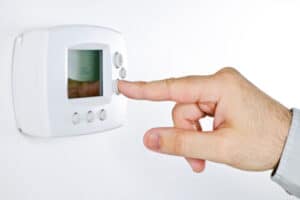
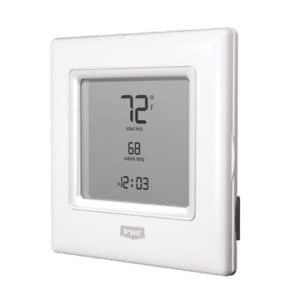
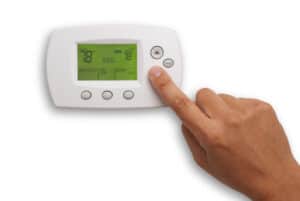
A thermostat is a temperatureโ€“sensitive device that turns HVAC systems on and off when the temperature of an environment reaches a preset level. Essentially, it turns on the air conditioning when it gets too warm, or the heating when it gets too chilly. Thermostats control the workings of comfort systems by directing energy to the appropriate system when needed. When selecting a thermostat, property owners can either go for simple manual thermostats or sophisticated electronic thermostats that provide improved functionality and highly efficient operations. Thanks to the easy to understand packaging and universal compatibility, choosing a thermostat is easy. Systems that Use a ThermostatSingleโ€“stage heating systems have one electrical or gas heating device, which may consist of a heater or an AC device as well. Most units that use natural gas provide singleโ€“stage heating. Usually, a singleโ€“stage thermostat should have room for three wires if the system handles heating only. However, if the system handles heating and cooling, the thermostat will have to accommodate five wires or less. Multiโ€“stage systems have a standard electrical or gas heating device as well as an emergency and/or auxiliary heating device. The emergency or auxiliary heating kicks in when temperatures drop faster than the
Read More ยป

Myths About Commercial HVAC Companies

There are various misconceptions that some people hold about heating and cooling companies. Such include the assumption that a large commercial HVAC company would provide better services and is therefore better. Those whoโ€™ve had sour experiences with larger firms will know that this isnโ€™t necessarily true. However, it may be difficult for one to understand why. There are also other things that need to be noted. The Bigger The Company; the Better The Service One may be tempted into thinking that big companies do everything right. This could be due to the idea advertised by such firms that they offer better service because they have more technicians. This means more hands on the clientsโ€™ equipment. Typically, expertise about HVAC systems doesnโ€™t flow freely in larger firms. The best firms are those that offer the same service each time they handle a clientโ€™s equipment, regardless of their company size. This means that an experienced professional assumes long-term personal responsibility for the particular unit. All Commercial HVAC Companies Perform Tune Ups The Same Way Most firms view a tune-up as an opportunity to look for other issues to address as they replace the filter, so that they can bill the client more.

Read More ยป

How Does Office Temperature Affect Your Productivity?

Air temperature in workplaces has a direct effect on productivity. Common sense tells us that if itโ€™s too hot or two cold, productivity will definitely suffer, but even a shift of several degrees in office temperature can make a difference in productivity and overall workplace ergonomics. The majority of scientific research has shown that optimal office temperature between should be between 70 and 73 degrees Fahrenheit provides the best air temperature to obtain maximum worker productivity. What Is The Ideal Office Temperature? Unfortunately, different studies can produce widely different answers as shown by one conducted by Cornell University and another conducted by the British government. The Cornell study indicated that 77 degrees Fahrenheit was the optimal temperature, while the British study put it at 74 degrees Fahrenheit. Even with the variations in ideal temperature, all of the studies indicated that swings of just a few degrees can affect productivity by a minimum of 5%. Consider if your commercial HVAC system is set for an optimal temperature of 71.5 degrees Fahrenheit. When the temperature goes up to 77 degrees, productivity drops to 98%. By the time its 92 degrees, productivity is at 85%. When temperature decreases, the falloff isnโ€™t as steep.

Read More ยป

What Does The Air Handler Do For My HVAC System?

An air handler is a unit within the HVAC system which serves to monitor, regulate and circulate air within a residential home or commercial building structure. It contains different components which push and regulate air. It improves system efficiency in a bid to maintain and enhance comfort. The good thing is that, we MightyServ, provide all solutions in heating and cooling to meet all your needs. Basics Of An Air Handler The HVAC system provides conditioned air which must be circulated. Air handlers regulate and pushes the conditioned air with the aid of vital components like the blower, controls, heating and cooling elements as well as the mixing chamber, evaporator coils and humidifier. An air filter is fitted to trap dust and dirt so as to ensure efficiency and high quality air is in circulation. Air handlers connect the furnace and the duct work. Types Of Air Handlers At MightyServ, we offer a wide range air handlers which come with unique features. For instance, a single speed air handler has a fan and motor which operates at a constant speed. A five speed is similar to the single speed only that it works faster providing more accuracy and optimal efficiency.

Read More ยป

Stop Mold Growth In Your Office’s HVAC

Most of todayโ€™s businesses have an HVAC system which is harboring some level of mold growth. Mold cannot be avoided, but it is possible to keep its growth under control. The more mold, the more likely your employees will suffer from respiratory problems aggravated by the mold growth. Mold can be unnoticeable, but it could also be indicated by employees suffering from respiratory problems. This is especially probable if they already suffer from asthma, allergies or other respiratory illnesses. The best way to tackle this problem is to stop mold growth from growing to an excessive level. How To Effectively Stop Mold Growth The most effective way to control mold growth is to clean the HVAC system regularly. First turn the HVAC system off before you begin cleaning it. Clean the entire system with a disinfectant and apply a mold inhibitor. Your cleaning efforts should include the ductwork, filters and fan blades. Use a wet vacuum to clean up any standing water as mold needs water to grow. After cleaning the ductwork, filters and fan blades, you must allow them to dry thoroughly before turning the system back on. Itโ€™s important to clean and or replace the HVAC filters regularly

Read More ยป

Myth Busters: 3 Ideas About Energy Efficiency Debunked!

There are many energy efficiency myths that people believe to be true. Unfortunately, these misguided beliefs are costing the average consumer a lot of money in high utility bills. Below are some simple truths about energy efficiency to bust the myths. Myth 1: More Energy is Consumed When Lights are Switched on and off Several Times than when They are Left on The truth is that energy is used to power light bulbs to produce light, so they do not consume anything when they are switched off. Turning the lights back on simply completes the circuit needed to turn on the light. As far as incandescent, LED and other types of modern light bulbs are concerned, the statement is simply a myth. However, fluorescent lighting tubes usually take a couple of minutes to turn on, so they may consume more energy to turn back on. Therefore, it may make sense to leave them on throughout. Myth 2: An Electric Space Heater can Help Save you Money In some countries, this can be true because other heating fuels like natural gas, propane gas and heating oil are much more expensive compared to electricity costs. In the United States, however, natural gas

Read More ยป

How Is Heating And Cooling Equipment Efficiency Measured?

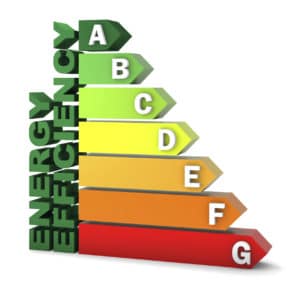
A lot of people are becoming aware of the need to reduce their carbon footprint and help in efforts to combat global warming. Accordingly, it is important to make sure that your AC system is as efficient as possible. An efficient HVAC system does not only operate better but also saves energy. So, how is heating and cooling equipment efficiency measured? Here are a few ways that you can explore: EER The Energy Efficiency Ratio is designed to give you a rough estimate of how much cooling you will get on your HVAC system for every dollar you spend on energy. The rating is often based on the seasonโ€™s hottest day other than an average of the entire season. EER is calculated by dividing the total output cooling energy with the incoming electrical energy. The Energy Star The Energy star is provided by the US Environment protection agency and is only awarded to an HVAC system that meets or surpasses the high energy efficiency guidelines. The guidelines are often based on how much the HVAC system contributes to the nationwide efforts to save energy, the difference in cost between the system, and its less efficient counterpart and the performance of

Read More ยป

Debunking Indoor Air Quality Myths & Facts

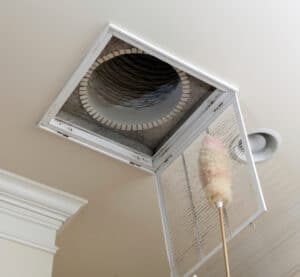
How many times have you thought about the air youโ€™re breathing? Do you think about it at home? At work? Do you think about it when youโ€™re out shopping? Probably not, but you should be aware that the indoor air quality (IAQ) in both residential and commercial establishments may be very poor, creating a potentially harmful environment. In an effort to help raise awareness, we have put together this overview of common Indoor Air Quality myths and facts that every person should be aware of. Indoor Air Quality Facts: Health Concerns of Poor Indoor Air Quality Poor IAQ can cause a number of health problems, including: allergies, irritation of the eyes, skin, nose and throat, frequent headaches, sinus congestion, dizziness, nausea, hypersensitivity, coughing, sneezing and shortness of breath. Causes of Poor Indoor Air Quality Some common air contaminants that may lower IAQ include: tobacco smoke, mold spores, dust, pet dander, dust mites and carbon monoxide among others. The number and types of indoor air contaminants will vary from one establishment to another. Your home will not have all the same contaminants as your local store, or nearby business. Indoor Air Quality Myths: Air Pollution is an Outdoor Problem When people

Read More ยป

5 Home Cooling Myths You Need To Know

Homeowners and business owners are always looking for ways to use energy more efficiently with the aim of reducing their utility bills while minimizing their carbon footprint at the same time. However, along the way, certain ideas have surfaced about how people believe they ought to use their AC, versus how the AC actually operates. At Canoga Heating and Air Conditioning, formally MightyServ, we want to examine and debunk five commonly held home cooling myths many homeowners fall susceptible to so that they can understand the truth about their heating and cooling systems. Air Conditioners Produce Fresh Air Contrary to what many people believe, ACs do not let in, create, or generate fresh air. Rather, they refrigerate the air within a room. Air conditioning units have a chemical compound called refrigerant, housed within a closed system of coils. The air conditioner forces this refrigerant to evaporate and condense into a gas, and as this happens, it becomes colder. This chemical compound changes from liquid back to gas in a constant cycle through the condenser. While this is happening, a fan moves warm air from the room over the refrigerantโ€“filled coils to cool it. The heat generated by the conversion process

Read More ยป

What is IAQ (Indoor Air Quality)?

Indoor air quality in North American homes may not be as safe as we perceive it to be. According to research, about 96% of homes had one air quality issue at the minimum. This finding is supported by the EPA (Environmental Protection Agency), which estimates that indoor air in most homes can be 5 times dirtier than air outside. Majority of homes, for example, had high levels of common pollutants such as dust, pollen, harmful gases, chemicals and viruses. Are You Safe Indoors? As shown by figures that have resulted from surveys and research, many homes suffer from indoor air quality that is below par. Common pollutants such as dust, along with biological pollutants such as bacteria, molds, animal dander and dust mites often contribute to health issues that are serious enough to cause sickness and certain diseases, particularly among sensitive individuals such as children and the elderly. In homes where there is at least one smoker, the threat to health also increases. The American Lung Association states that tobacco smoke (frequently inhaled as secondhand smoke) contains 4,000 different chemicals, 200 of which are known poisons, including carbon monoxide, formaldehyde and carcinogens. Improving Indoor Air Quality Increasing the quality of

Read More ยป
Archives

MightyBucks Program