
Author: admin

Keep Your Commercial HVAC System Running Properly

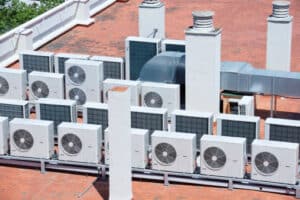
A Commercial HVAC system is a huge investment that require proper care in order to work efficiently. Neglecting your HVAC system will increase your energy cost and reduce your unit’s life span. Here are some tips on how to take care of your commercial HVAC system. Take Advantage of Off-peak Season Most people wait until peak season to perform maintenance on their HVAC units. During this time, there is a higher demand for technicians, and the cost for this service tends to go up. A good way to go about this would be scheduling your cooling maintenance during winter. This way, when summer sets in, you won’t have much to worry about as far as emergency repair is concerned. Preventive Commercial HVAC System Maintenance Most people neglect servicing their units simply because it still “runs”. However, waiting until your unit breaks down to take action can be costly in more ways than one. For starters, worn out components in your system will not only increase energy cost but also interfere with indoor air quality. Regular maintenance ensures your unit continues cleaning your air, while reducing energy costs. Replacement Vs Repair In some cases, replacing a worn out HVAC system is
Read More »

Should I be concerned about carbon monoxide in my home?

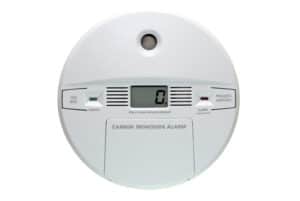
The short answer is YES! You should be very concerned about carbon monoxide in your home. If there are high levels of carbon monoxide in your home, it will make you sick at best, and kill you at worst. Between twenty and thirty thousand people become ill from carbon monoxide poisoning each year in the US alone. Around five hundred people a year die of carbon monoxide poisoning in the United States. Carbon monoxide gas is produced when carbon is burned without sufficient oxygen in the air. Thus if you burn anything made of carbon within an enclosed space rather than outdoors, then you will be at risk of carbon monoxide poisoning. The trouble with carbon monoxide is that it doesn’t have a color. Nor does it have a discernible taste or smell. So you could be breathing in carbon monoxide at dangerous levels at this very moment without any knowledge of it occurring. Buy A Carbon Monoxide Detector For Your Home At present, having a carbon monoxide detector is mandated by law in twenty five states in the US. However, some states in the US relaxed the rules in 2012. That means people living in those states that have

Read More »

Indoor Air Quality: Facts You Need to Know

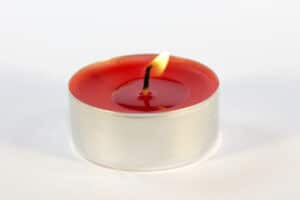
What causes people to suffer poor health? When asked such a question, most people refer to things like poor diet, lack of exercise, and genetic factors. However, if you have noticed a decline in your health, it could actually be caused by the air you breathe in your home every day. You might be surprised to find out how poor the indoor air quality in your home is. There are many seemingly innocent items in most households that can cause concerns with your health. After reading this article, you may want to throw a few items away. Items Affecting Indoor Air Quality In Your Home: Paraffin candles, for example, are a major cause of poor indoor air quality in homes. The candles give off two different carcinogen as well as some chemicals that are also found in exhaust fumes. Throw the paraffin candles away. Replace them with soy or beeswax candles scented only with natural essential oils. Air fresheners are no good for you either, and they are especially harmful to babies and young children. They contain phthalates, which can disrupt hormone function in children and can interfere with their reproductive development. Your furniture might also be having an adverse impact

Read More »

Surge Protectors and HVAC: What You Need to Know

Power surges are the biggest threat to electrical appliances. If there are no protective systems to protect a device from voltage spikes, its circuit will be fried during a power surge, making the device useless. This is the reason why homeowners often spend a lot of money on surge protectors. Unfortunately, many of these homeowners forget to protect their HVAC systems against power surges. This can be a costly mistake considering the cost of procuring and installing HVAC systems. Read on to learn more about HVAC surge protectors. The Importance of Surge Protection in HVAC Systems A few decades ago, HVAC systems had very few parts that could be damaged by power surges. Modern HVAC systems, however, contain printed circuit boards and electronic components that are susceptible to the destructive power of voltage spikes. A power surge can either cause minor damage that may not have an immediate effect on the performance of the system, or serious damage that will lead to complete system failure. Common Causes of Power Surges There are three common causes of power surges. The first is lightning strikes on power lines, which will inject millions of volts into the grid. The second is irregularities in the

Read More »

My Air Conditioner is Frozen! What Happened?

When your air conditioner is running but your home is gradually getting warmer, you have a problem. Hold your hand over the supply registers. Do you feel little to no airflow coming from them? Your air conditioner is frozen. Whether you see any ice or not, your air conditioning unit is clearly letting you know there is ice in it. There are steps you immediately need to take to prevent damage to your unit’s compressor and further waste of money. Handling Air Conditioner Freezes Turn your A/C unit off immediately to prevent any (or further) damage to your compressor. While waiting for the accumulated ice to melt, find the drain for the condensation pan and be sure it is not blocked. If it is, unblock it. If you can, turn on the air conditioner’s fan without running the compressor. This will accelerate the melting of the ice. Once all the ice is melted and unblocked drains are clear, turn your unit back on. It should begin to cool your home again right away. What Causes My A/C to Freeze? Several maintenance-related issues are usually the culprits of air conditioner freezes. One of the main ones is low airflow due to

Read More »

How Humidity Affects Air Conditioning and Heating

Humidity plays a major role in home comfort throughout the year. Excessively high or low moisture levels may greatly increase the cost of operating an HVAC system. They can also create other problems, such as musty smells. Fortunately, sophisticated heating and cooling equipment features dehumidifiers and humidifiers that maximize comfort at an affordable cost. How Humidity Affects Air Conditioning During hot weather, humid air creates an unpleasant, muggy atmosphere. This makes it feel considerably warmer, and people become more likely to sweat without heavy exertion. Windows may get foggy and the air might seem musty or clammy. This situation could result in higher energy bills that fail to yield sufficient indoor comfort. It may also promote mold growth in extreme circumstances. One of the main reasons that air conditioners work better than fans is that they extract humidity from the air. Unfortunately, many systems cannot adequately perform this task in very humid conditions. This problem may be exacerbated by an unnecessarily large air conditioner. The good news is that dehumidifiers can be integrated into HVAC systems in a way that reliably and automatically eliminates humidity. How Humidity Affects Heating The cooler months bring weather that often has the opposite effect. Low humidity

Read More »

Refrigerant Leaks and Health Issues

The chemical component Refrigerant is used in several ways in industrial manufacturing. Notwithstanding, its’ large scale use highlights some important issues about the health of humans. Refrigerant is a brand name encompassing a range of chemical elements, otherwise referred to as chlorofluorocarbons. This name reflects the fact that these elements include hydrogen, carbon, fluorine and chlorine. The Refrigerant group’s most significant parts are Refrigerant Twenty-two, Refrigerant Twelve and Refrigerant Eleven. Typically, Refrigerant takes the form of a colorless, non-flammable gas or liquid. Primarily, it is used for making fluorocarbon resins and lubricants, and for refrigeration. Also, it is used as an aerosol propellant solvent. While it has multiple uses, in some circumstances, Refrigerant may pose a threat to human beings. How Exposure to Refrigerant Impacts Animals and Children Refrigerant remains near to the surface of the earth, because it is three to four times the weight of air. Consequently, those who are nearer to the floor or ground are more likely to breathe in the chemical. Pets and children (especially dogs, due to their heightened sensitivity) are far more vulnerable to the chemical’s effects. If you become aware of Refrigerant leaks in your property, open all doors and windows straightaway,

Read More »

How Do Air Conditioners Work?

Air conditioners and refrigerators have many similarities. In fact, the only difference between the two is that refrigerators only cool a small enclosed space while an AC cools a large open space. So, how do air conditioners work? Read on to find out. Components of an AC Like refrigerators, air conditioners have a compressor, refrigerant liquid, refrigerant piping, fans and a thermostat. Each of these components is used for a different purpose. For instance, the thermostat is responsible for switching the system on and off depending on the difference between the actual room temperature and the reference temperature. Refrigerator piping connects the two ends of the compressor and carries the refrigerant throughout the cooling system. The fans are responsible for driving air into the indoor wall-mounted unit for cooling as well as through the outdoor unit to cool the refrigerant and take away the heat. The compressor is responsible for compressing the refrigerant into a liquid and keeping it under pressure. Lastly, the refrigerant is the working fluid. It absorbs heat from the surroundings and takes it to the compressor coils for cooling. How Air Conditioners Work Air conditioners are able to cool a room because of a physical law,

Read More »

Fans vs. Air Conditioners in the Los Angeles Climate

Living in Southern California is a blessing – beautiful weather, stunning landscapes, and endless sunshine. But let’s face it, that sunshine can turn into a scorching enemy come summer, especially in the San Fernando Valley. As the temperature climbs, so does the battle for a cool and comfortable home. This age-old question arises: fans or air conditioners? Both options have their place, and the best choice hinges on several factors, including your specific location within Los Angeles, your budget, and your personal preferences. This article delves into the world of fans and air conditioners, exploring their energy consumption, power usage, and how to utilize them effectively for optimal comfort throughout the year. Understanding the Los Angeles Climate: Los Angeles experiences a diverse climate depending on your specific location. Here’s a breakdown of the two major areas we’ll be focusing on: Greater Los Angeles: Los Angeles boasts a Mediterranean climate overall, but it’s important to consider the specific location within the city. Coastal areas generally experience cool, wet winters and warm, dry summers with refreshing nighttime dips in temperature. However, inland Los Angeles areas can see significantly hotter summer days, with nights offering less dramatic temperature drops compared to the coast.

Read More »

How to Improve Efficiency of Your Heating & Cooling Systems

In commercial facilities, the HVAC systems account for as much as 40% of the total electricity used in the facility. Therefore, it goes without saying that improved and more energy-efficient systems will save on your utility costs as well as provide a healthy and productive work environment. Typically, you can do two things to make your heating, cooling and air conditioning systems more energy efficient. The first thing to do is to reduce the loads for your systems before you think about upgrading your systems and the next is, to upgrade your systems or get newer ones. Reduce Load to Your HVAC Systems In order to achieve load reduction to your heating and cooling systems, there are a few measures that you can take. They are as follow: Addressing these issues will ensure load reduction to your cooling and heating systems. HVAC Systems Improvement and Upgrade Tips The above are some of the basic things that you must consider about your HVAC units. For detailed information on the subject or for any other HVAC requirements for your home and commercial facilities, call MightyServ and we will be ready to help with all your heating and air condition needs. (818) 348-4768

Read More »
Archives