

Category: Air Conditioning

How to Tell if Your Air-Conditioning System Has Mold

Discovering mold in the home sends many homeowners into a panic. Uncontrolled mold can lead to serious respiratory illness, eye irritation, and skin reactions. Some individuals may develop asthma after prolonged exposure to mold. If your air-conditioning system contains mold, act as soon as possible to reduce the risk of negative health outcomes. What Causes Mold Buildup in Air Conditioners? Any space containing high moisture levels is at risk for mold. Most common molds require a wet environment to thrive, and air conditioners only run intermittently, allowing moisture and debris to accumulate in the air handler and ductwork. Whether you notice black mold, yourself, or a service technician discovers it, mold is an unwelcome health risk. Identifying Mold in Your HVAC System You may not notice mold in your AC system until it builds to recognizable levels. Any maintenance technician should alert you to possible signs of mold and give advice for removing it. In the absence of a technician’s discovery, look for these signs to identify the presence of mold: Something Smells Funky Mold has a distinctive musty smell. Most common molds will make the home smell old and unpleasant. You may notice the pungent nature of the smell


Read More »

Why You Should Care About Maintaining Your Home’s HVAC

Did you know that your HVAC should be inspected about twice a year? With spring right around the corner, you’ll want your AC to be checked out so you and your family can be as comfortable as possible once the heat hits. Once the colder months of the year roll back around, it is important to make sure that your home’s heater is in proper working order. Neglecting regular maintenance for your HVAC can cause you to run into some costly problems. Be wary of these serious issues that you can run into: Bad air quality in your home It is much more likely that you will experience more sick days during the winter than you would in the summer. This is due greatly to a lowered immune system in the colder months. However, if you are breathing in dirty air due to a heater that isn’t working properly, this will not help you in your efforts to stay healthy. If you regularly maintain your heater, you will have much cleaner air to breathe in your home. Costly repairs that could have been avoided If you were to never change the oil in your car, you would eventually have to invest in a whole new

Read More »

My Air Conditioner is Frozen! What Happened?

When your air conditioner is running but your home is gradually getting warmer, you have a problem. Hold your hand over the supply registers. Do you feel little to no airflow coming from them? Your air conditioner is frozen. Whether you see any ice or not, your air conditioning unit is clearly letting you know there is ice in it. There are steps you immediately need to take to prevent damage to your unit’s compressor and further waste of money. Handling Air Conditioner Freezes Turn your A/C unit off immediately to prevent any (or further) damage to your compressor. While waiting for the accumulated ice to melt, find the drain for the condensation pan and be sure it is not blocked. If it is, unblock it. If you can, turn on the air conditioner’s fan without running the compressor. This will accelerate the melting of the ice. Once all the ice is melted and unblocked drains are clear, turn your unit back on. It should begin to cool your home again right away. What Causes My A/C to Freeze? Several maintenance-related issues are usually the culprits of air conditioner freezes. One of the main ones is low airflow due to

Read More »

Making the Right Choice: Replace or Repair My Equipment?

The act of replacing or repairing your air conditioner is not one that should be taken lightly. It is very important especially because it relates directly to the quality of life you lead. There are essential questions to ask when contemplating on whether to repair or replace it. Has it exhausted its useful life? How much have I spent so far on its repairs? For how long have used this air conditioner? Consult an expertMost experts especially those you have heard long working relations with will give you an excellent report on things as they stand. This will enable you make the right decision on the course of action to take. An expert will be able to determine the extent of damage to the equipment and the probability of lasting for a certain period after a repair. AgeAs equipment ages its level of inefficiency increases and should therefore be replaced. The machine may have exhausted its useful life and all it does is break down. When a machine is constantly in need of repair, then it is high time you replaced it. If it is just few times, then it can be repaired and used for a while. Cost of

Read More »

The Difference Between Manual Thermostats and Electrical Thermostats

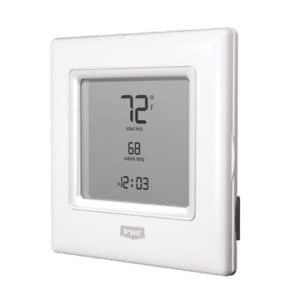
A thermostat is a temperature–sensitive device that turns HVAC systems on and off when the temperature of an environment reaches a preset level. Essentially, it turns on the air conditioning when it gets too warm, or the heating when it gets too chilly. Thermostats control the workings of comfort systems by directing energy to the appropriate system when needed. When selecting a thermostat, property owners can either go for simple manual thermostats or sophisticated electronic thermostats that provide improved functionality and highly efficient operations. Thanks to the easy to understand packaging and universal compatibility, choosing a thermostat is easy. Systems that Use a ThermostatSingle–stage heating systems have one electrical or gas heating device, which may consist of a heater or an AC device as well. Most units that use natural gas provide single–stage heating. Usually, a single–stage thermostat should have room for three wires if the system handles heating only. However, if the system handles heating and cooling, the thermostat will have to accommodate five wires or less. Multi–stage systems have a standard electrical or gas heating device as well as an emergency and/or auxiliary heating device. The emergency or auxiliary heating kicks in when temperatures drop faster than the

Read More »

How Can a Programmable Thermostat Increase Energy Savings?

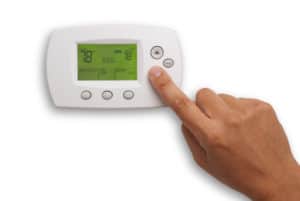
Savings is important for every household. If you wish to save more on your future electricity bills, you can get a programmable thermostat to control your HVAC system. It’s not enough to have heaters and coolers with the Energy Star logo, especially if you are in a place where you need to use your HVAC system on a daily basis. If you haven’t heard about syncing your HVAC machine to a programmable thermostat before, make sure that you read the article below so you can start saving. How does a programmable thermostat work? This tiny device works by controlling the heating and air-conditioning units in your home. This means that when you set a specific temperature, the system will automatically adjust to meet it. Through the help of a programmable thermostat, you don’t need to manually change the settings on your HVAC system often. You also don’t need to carry the cooler and heater remote controls wherever you go just to meet your cooling and heating needs. Though this device is small, it can help you save energy because your system won’t have a hard time adjusting to the altering weather conditions. Can a programmable thermostat help me save energy

Read More »

Heating and Cooling Tips

Your HVAC system is responsible for cleaning, heating and cooling the air in your home. This article contains heating and cooling tips and tricks that will ensure air conditioning in your home is smooth and efficient. Ventilation Ventilation is an important part of your home and should be properly cared for. Proper ventilation will not only control humidity in your home, but also prevent growth of mold and other moisture-related problems. Make it a habit to clean the ventilation more often and also check to ensure the ductwork is properly sealed. Energy Savings HVAC systems take up a lot of the monthly energy bills, especially during extremely cold seasons. To save money on energy bills, switch to a newer and more energy efficient unit. It is also important that you adjust the thermostat settings to suit your current weather if you are to lower energy bills. Maintenance To ensure your air conditioning unit serves you for the longest period of time, it is important to perform maintenance checks every few weeks. The easiest way to maintain your unit is by cleaning and replacing the filter every two to three months. It would also be wise to have a professional inspect

Read More »

Common Cooling Myths You Need to Know

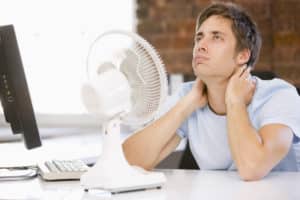
Like most of us, you have probably been influenced by stories of how to improve your home cooling. Some of these suggestions may be among the many falsehoods that are generously shared between homeowners. Here, are at least five common cooling myths that can be discredited: Myth No. 1: Fans Cool Down a Room Fans have one purpose, to move air around. When this air blows across your body, it feels cool, so you naturally assume the air is cooled down. In fact, the air is as uncomfortably warm after it’s blown across your body as before it began to move. The only time fans cool a room is when they draw cooler air from outside to the inside. Myth No. 2: Air Conditioners Only Cool Air It is a known fact that humid air feels hotter than dry air. Another function of your air conditioner is to remove humidity from a room using a drying function built into the unit. When this function isn’t working properly, your home will seem hotter. If your air conditioner lacks this function, try adding a dehumidifier to the rooms you want cooled. Myth No. 3: A Larger Air Conditioner Will Cool Your Home

Read More »

How Do You Know When AC Replacement is Needed?

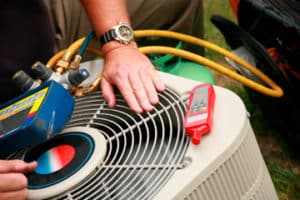
Air conditioners, like other machines, wear down with time. As a result, they become inefficient. They start consuming more power, performing poorly and making strange noises. When this happens, property owners might start to consider AC replacement options. Unfortunately, it is somewhat challenging for the average person to decide whether to replace or repair. The following tips will help you know when it’s time to replace your AC system. Life Expectancy of AC Machines A good indication that it’s time to replace your air conditioner is the lifespan of the machine. The average AC unit has a lifespan of 8 to 12 years. As the device nears the end of its life, it becomes too inefficient to operate. The repair costs arising from frequent breakdowns also become unreasonable. Once a machine reaches the end of its useful life, it should be replaced. Property owners should therefore start making the necessary arrangements well in advance. Current Condition of the Air Conditioner While a machine may have reached the end of its useful life, it may still be functioning properly with high efficiency. In such a case, there is no need to replace the device immediately. However, there are cases where the

Read More »

Fans vs. Air Conditioners in the Los Angeles Climate

Living in Southern California is a blessing – beautiful weather, stunning landscapes, and endless sunshine. But let’s face it, that sunshine can turn into a scorching enemy come summer, especially in the San Fernando Valley. As the temperature climbs, so does the battle for a cool and comfortable home. This age-old question arises: fans or air conditioners? Both options have their place, and the best choice hinges on several factors, including your specific location within Los Angeles, your budget, and your personal preferences. This article delves into the world of fans and air conditioners, exploring their energy consumption, power usage, and how to utilize them effectively for optimal comfort throughout the year. Understanding the Los Angeles Climate: Los Angeles experiences a diverse climate depending on your specific location. Here’s a breakdown of the two major areas we’ll be focusing on: Greater Los Angeles: Los Angeles boasts a Mediterranean climate overall, but it’s important to consider the specific location within the city. Coastal areas generally experience cool, wet winters and warm, dry summers with refreshing nighttime dips in temperature. However, inland Los Angeles areas can see significantly hotter summer days, with nights offering less dramatic temperature drops compared to the coast.

Read More »
Archives