
Category: Air Conditioning

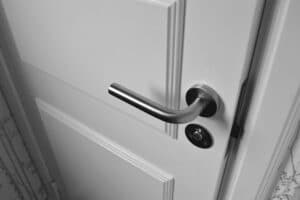
Should I Leave Interior Doors Open or Closed During Heating and Cooling?

The price of cooling (and heating) your home can get pretty costly, especially if you live in West Los Angeles. Even though we are lucky to enjoy some of the very best weather in the USA, there are times when temperatures fluctuate. When the weather warms up or cools down, it can get even more expensive to try and keep comfortable in your home. Therefore, many homeowners and renters alike wonder, is it better to leave my doors open or closed when running my HVAC system? The simple answer is, leave them open. You see, when an HVAC system is operating, it functions best as a whole unit, circulating air throughout your entire home. So, when you shut several doors in and around your home, you’re actually disrupting the nature of how your HVAC system operates. This not only ends up costing you more money in the long run, but it can cause additional problems as well. Why Leave Doors Open? Although it’s a common belief, shutting doors to rooms you are not using will not save you money on heating or cooling costs. It will only force your HVAC system to work overtime, causing potential long-term damage. It can also


Read More »

The Differences Between Heat Pumps and Air Conditioners

When installing a new HVAC system in your home, you will be faced with a decision of whether to select a heat pump or an air conditioner. While they are both designed to keep your home comfortable, they differ in terms of function; even their repair procedure is different. To help you make an informed decision, here is a rundown of their main differences. Key Distinctions Between Heat Pumps and Air Conditioners While a heat pump and an air conditioner share similar components, the way they perform is quite different. Here are some factors that distinguish the two: Use. A heat pump provides both heating and cooling. It expels warm air out of your home during summer and it brings outdoor heat inside during winter. An air conditioner, on the other hand, can only cool your home. Operation. Both systems follow the same principles to condition your home’s temperatures. They use refrigerants to facilitate a process of heat exchange. A heat pump, however, uses a reversing valve built into a compressor to transfer outdoor heat inside your home and increase its temperature. A traditional air conditioner, on the other hand, relies on electric-resistant heat strips within the air handler to produce warm air. It may

Read More »

Smart Ways to Retain Heat During Winter

During the colder months, most people tend to spend more time indoors and turn up their heating systems. Because of this, utility costs can soar and many people might be paying more than necessary. The good news is, it is never too late to make a few changes in your home so you can improve your comfort levels and save money. Here are some of our top recommendations. Air Conditioning and Heating Tips While you will need professional service every now and then to keep your heating and air conditioning units in the best condition, there are other ways to warm up your home. These simple and inexpensive solutions not only contribute to energy efficiency but also let you maximize heat in your living space. Take Advantage of Your Curtains. Even on cold days, the sun can still bring warmth. Leave your curtains open during the day to capture as much as of the free heat. Once the night settles in, shut your drapes. This provides an extra layer of insulation to prevent warm air from escaping your home. Your windows should not have leaks or gaps so the heat stays in and drafts stay out. Install a Programmable Thermostat. Instead of manually adjusting

Read More »

Top Benefits of Using a Smart Thermostat

You’ve probably heard of the smart thermostat. You may even know someone who uses this device in their house. But do you really know how it can benefit your home? It’s about more than just keeping your home at a comfortable temperature. In this post, we’ll discuss how using a smart thermostat can benefit you and your home comfort. Smart Thermostat Benefits So you’re thinking about switching to a smart thermostat? Here are just a few of the benefits you can enjoy with this: Save energy One of the greatest benefits of switching to a smart thermostat is the energy savings! Depending on your current home comfort habits, using a smart thermostat to manage and automate your home climate can help you save a significant amount on your monthly energy costs by helping you use your HVAC system more efficiently Stay comfortable A smart thermostat makes it even easier and more convenient to keep your home comfortable. These easy-to-use devices make programming your home climate to fit your schedule simple and stress-free. You can even adjust the temperature from your smart device to account for any fluctuations in temperature throughout the year. Analyze your energy usage Many smart thermostat devices

Read More »

Here’s How to Keep Your HVAC System From Overheating

The last thing that you want to happen on one of those hot, summer days — and this being Los Angeles, those days can extend well into November — is to lose the air conditioning in your home. But it happens a lot more than you might think. And it can make for a really miserable day. HVAC systems overheat for a few reasons. But they’re not supposed to, and they won’t if you take a few simple precautions. There are a few simple things that you can do on your own. And there are some things that you’ll want to trust a professional with. A little diligence on your part, some routine maintenance, and having it inspected by a reputable service company on a yearly basis is the best way to keep your air conditioner from overheating. Maintain Airflow Your air conditioner needs a certain amount of airflow to operate effectively. There should be at least two to three feet of space around the condensing unit outside to allow air to circulate. Restricted airflow is a common reason for overheating. You’d want to check around the outside of the unit, making sure that there isn’t anything blocking airflow. Early in the spring,

Read More »

How to Diagnose Manual and Automatic Zone Damper Issues With Your AC System

Are you having trouble regulating temperature within your home? Chances are, the larger your house is, the harder it will be to regulate the temperature inside it to keep everyone comfortable and happy. These issues can result in areas that are too hot in the summertime and too drafty and cold in the wintertime. As you are attempting to find an even balance, you will end up dueling with your thermostat to keep problem areas and the rest of your home balanced. There is something you can do, however, which is to consider getting a zone damper system. What is a Zone Damper System? A zone damper system is simply installing motorized doors to restrict airflow in specific rooms within your house. If you have a bad HVAC damper, you can no longer achieve proper airflow through the ductwork. This results in too much or too little airflow through the duct and improper temperature regulation within your home. Manual Zone Dampers vs. Automatic Zone Dampers Certain HVAC units are equipped with manual zone dampers for regulating the amount of air conditioning or heat being delivered in a room. A zone control system like this uses levers, which are located outside

Read More »

Modern Heating and Cooling Technology

Technological advancement has very many benefits to citizens of different countries. The heating and cooling technology has been through some remarkable evolution in the recent years. The systems have seen a lot of improvement that makes them more efficient to use. Heating and cooling technology has been made more energy efficient. This means that the amount of energy required to use them has been spiraling down in the past few years. This means that you will be able to make use of these systems with more efficiency in the energy utilization. Therefore, the electricity bills will no longer be a problem as they will be manageable. Energy efficiency ensures that the environment is taken care of. This is because there is less emission of harmful gases into the atmosphere. There is also efficient use of resources that are used in energy production. This reduces the rate of depletion of these resources and thus conserves the environment. Depletion of the ozone may also be caused by refrigerants used in the cooling and heating technology systems. However the world is moving from the use of harmful refrigerants due to technological advancement by eliminating chlorine use. Systems now make use of a refrigerant

Read More »

How Do I Know the Technician Is Qualified for the Job?

Today, the heating, ventilation and air conditioning (HVAC) sector is bigger than it has ever been. Now more than ever, the need for qualified technicians to do these jobs is very high. Cooling and heating systems are complex and only a person with the right technician qualifications should handle them. A person with the right qualifications will be careful to follow the industry standards of installation and safety. There are several things that you should look for when you want differentiate between qualified and unqualified technicians: Experience It is always advisable to use the services of a technician who has on-the-job training. Limit your search to technicians with over 2 years of experience in working for an HVAC company. This way, you will be assured that they know a thing or two about electrical wiring, combustion systems, refrigerant and airflow for the home environment. An incompetent HVAC technician could mess up your HVAC system. A malfunctioning exhaust system, for instance, could produce carbon monoxide. License A licensed technician will have been vetted by governmental organs and found fit to practice. There are websites that give you information on the state of your contractor’s license. Use this to authenticate their qualifications.

Read More »

Why Should I Purchase a Service Agreement?

The question as to what to consider when purchasing a service agreement is one that all HVAC equipment users should ask themselves, and, then, answer relevantly. It is important to have all heating, ventilation and air conditioning equipment checked and serviced regularly. Regular maintenance keeps the equipment operating efficiently, up to 30 percent more efficiently and prevents abrupt breakdowns. A service agreement not only gives the HVAC users peace of mind but also saves them money. Service agreement considerations Every AC owner and user must consider several things before purchasing a service agreement for his/ her AC. First, he/ she should understand that his/ her AC is made up of various components (some parts are static and others are mobile) that need regular servicing to function optimally. Most of these components need to be checked, cleaned, replaced or repaired accordingly in order to keep the whole AC functioning optimally. AC users should only purchase service agreements from qualified HVAC contractors. Benefits of a service agreement: Guarantees AC efficiency With a service agreement from a professional HVAC contractor, AC users can rest easy knowing that their air conditioner will be checked and serviced regularly. Most HVAC contractors schedule AC check-up and

Read More »

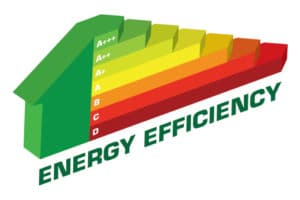
Why Is SEER Used for Rating Heating and Cooling Devices?

People using any type of cooling device should know what is SEER. Seasonal Energy Efficiency Ratio or SEER is used to rate cooling appliances. The rating is based on energy efficiency performance of systems like HVAC, air conditioners and heat pumps. The rating is calculated taking into account an appliance’s cooling output for a given unit of energy that it consumes. Higher rating is given to systems that output more cooling while consuming less energy. The benefit of using such devices is that it results in lower electricity bill. Such a device is eco-friendly because it releases less green house gases. Rebates are available to users who use systems with high energy efficiency. Devices that have higher SEER ratings provide greater efficiency. Federal government has made it mandatory for central air-conditioning equipment manufacturers to sell only those units that have minimum SEER-13 rating. Buyers should know that air-conditioning equipments with SEER rating of 18 or even 23 are available. An air-conditioning system having a minimum of SEER-16 rating should be installed to realize the advantages of using energy efficient system. Users who want to calculate their savings can easily do so by using Cooling Calculator. The calculator can be used

Read More »
Archives